


Exploring the Benefits of National Beehives in Urban Beekeeping
2026-08-24
Exploring the Benefits of National Beehives in Urban Beekeeping
Table of Contents
- 1. Introduction to Urban Beekeeping
- 2. The Importance of Bees in Urban Environments
- 3. What Are National Beehives?
- 4. Benefits of National Beehives in Urban Beekeeping
- 4.1 Enhanced Biodiversity
- 4.2 Improved Pollination
- 4.3 Honey Production
- 4.4 Educational Opportunities
- 4.5 Community Building
- 5. Challenges of Urban Beekeeping
- 6. Best Practices for Urban Beekeeping
- 7. Frequently Asked Questions
- 8. Conclusion
1. Introduction to Urban Beekeeping
Urban beekeeping has emerged as a vital practice that brings the age-old art of beekeeping into the heart of our cities. As urban populations continue to swell, the need for environmentally sustainable practices becomes increasingly important. **National beehives**, specifically designed for efficient management and high honey yield, offer a remarkable solution for aspiring urban beekeepers. This article explores the myriad benefits associated with incorporating national beehives into urban beekeeping practices, emphasizing their role in enhancing biodiversity, improving pollination, and fostering community engagement.
2. The Importance of Bees in Urban Environments
Bees play a crucial role in our ecosystem, serving as pollinators for a multitude of plants, including crops that feed our cities. Urban areas, often characterized by concrete landscapes, can benefit significantly from the presence of bees. The **pollination services** provided by bees enhance food security, promote biodiversity, and beautify urban spaces.
In cities, where green spaces may be limited, beekeeping can help to sustain local flora and fauna. By bringing bees into urban areas, we create a more balanced ecosystem that can support wildlife and improve air quality. Moreover, urban beekeeping addresses the alarming decline in bee populations, ensuring that these essential creatures thrive amidst human habitats.
3. What Are National Beehives?
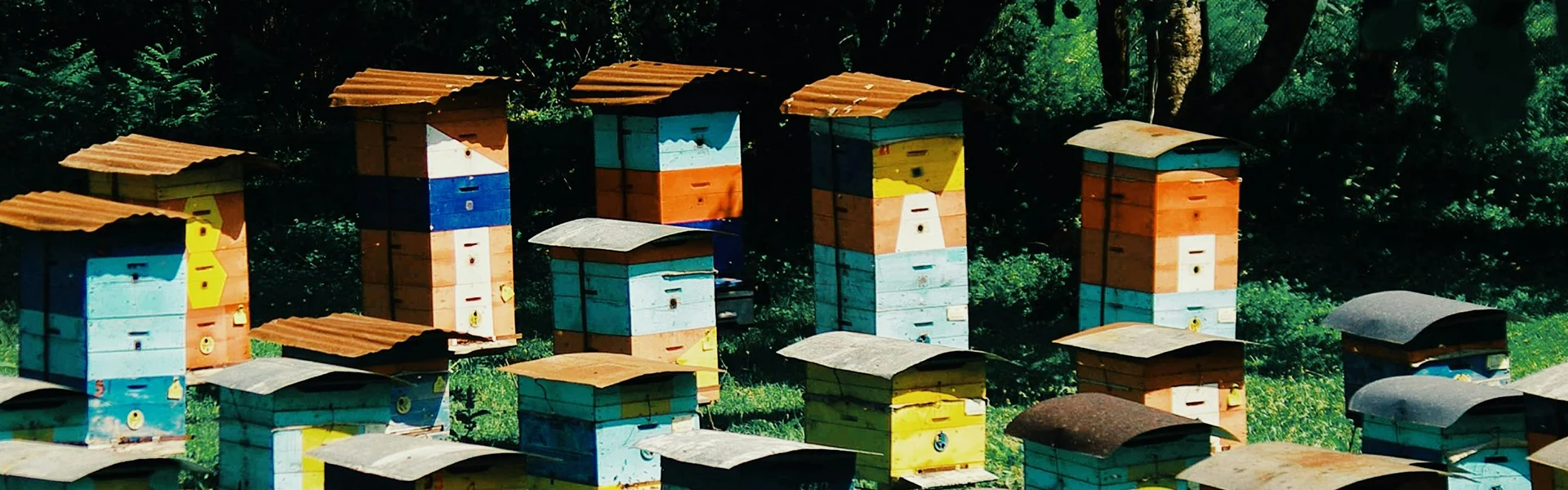
National beehives are a specific type of beehive design that originated from France. They are known for their efficiency and ease of use, making them particularly suitable for urban settings. Characterized by a modular structure, these hives consist of separate boxes for brood rearing and honey storage, allowing beekeepers to manage colonies more effectively.
The design of national beehives enables better ventilation, reduces the risk of disease, and simplifies the process of honey extraction. Their adaptability to urban environments makes them an ideal choice for new beekeepers who may be operating in space-restricted areas.
4. Benefits of National Beehives in Urban Beekeeping
4.1 Enhanced Biodiversity
Integrating national beehives into urban landscapes enhances local biodiversity. By increasing the number of pollinators, we facilitate the proliferation of a variety of plants, contributing to a richer urban ecosystem. This not only benefits the environment but also can improve mental health and well-being for city dwellers who interact with nature.
4.2 Improved Pollination
Urban areas are often devoid of sufficient pollinators, leading to reduced crop yields and less flowering vegetation. National beehives help address this issue by providing a source of pollination for urban gardens, parks, and agricultural spaces. This increased pollination leads to healthier plants and greater harvests, benefiting both homeowners and local farmers.
4.3 Honey Production
One of the most delightful benefits of urban beekeeping is the production of honey. National beehives are designed for maximum honey yield, allowing urban beekeepers to collect fresh, organic honey right in their backyards. This local honey can be a valuable addition to the community, encouraging residents to support local agriculture and reducing the carbon footprint associated with transporting honey over long distances.
4.4 Educational Opportunities
National beehives present unique educational opportunities for urban communities. By engaging in beekeeping, we can teach others about the importance of bees, environmental stewardship, and sustainable practices. Workshops and community events can be organized around urban beekeeping, fostering a sense of connection among residents and promoting awareness about pollinator health.
4.5 Community Building
Beekeeping can serve as a powerful tool for community building. Urban beekeepers often collaborate with neighbors, schools, and local organizations to create beekeeping projects. These initiatives foster relationships among community members, promote teamwork, and encourage shared responsibility for the environment.
5. Challenges of Urban Beekeeping
While the benefits of urban beekeeping are significant, several challenges must be acknowledged.
- **Zoning Regulations**: Urban beekeepers often face zoning laws and regulations that may restrict beekeeping activities. Understanding local regulations is crucial for aspiring beekeepers to avoid penalties and ensure compliance.
- **Space Limitations**: Urban environments typically offer limited space for beekeeping operations. National beehives, with their compact design, can help mitigate this issue, but careful planning is still necessary.
- **Pest and Disease Management**: Urban beekeepers must remain vigilant about pests and diseases that can threaten bee colonies. This requires ongoing education and proactive management strategies.
- **Public Perception**: The presence of bees can raise concerns among neighbors. Educating the public about the benefits of bees and proper beekeeping practices is essential for fostering a positive relationship with the community.
6. Best Practices for Urban Beekeeping
To ensure successful urban beekeeping, it is essential to adopt best practices:
- **Choose the Right Location**: Select a location that provides adequate sunlight, shelter, and access to nectar sources. Ensure that the hive is away from high-traffic areas to minimize disturbances.
- **Adhere to Local Regulations**: Familiarize yourself with local laws regarding beekeeping and obtain any necessary permits to operate legally.
- **Educate Yourself**: Continuous learning about bee behavior, hive management, and pest control is vital for maintaining healthy colonies.
- **Engage the Community**: Foster relationships with neighbors and local organizations to create a supportive network around urban beekeeping initiatives.
- **Practice Sustainable Methods**: Utilize organic practices for pest management and strive for sustainability to minimize the impact on the environment.
7. Frequently Asked Questions
1. How much space do I need for a national beehive in an urban setting?
Most national beehives require a minimum of 4-6 square meters of space, but careful placement can optimize even smaller areas.
2. Are there any legal restrictions for keeping bees in urban areas?
Yes, local regulations vary significantly. It's crucial to check with your city’s ordinances and obtain any necessary permits.
3. What are the best flowers to plant near beehives?
Planting a variety of flowers that bloom at different times, such as lavender, sunflowers, and wildflowers, can provide a consistent nectar source for bees.
4. How can I minimize the risks to my neighbors?
Educate your neighbors about the benefits of bees, maintain a healthy and well-managed hive, and ensure that the bees are not a nuisance.
5. Can I harvest honey all year round?
Honey harvesting typically occurs during warmer months when bees are most active. It is essential to allow bees enough honey stores to survive winter.
8. Conclusion
In conclusion, **national beehives** offer a transformative approach to urban beekeeping, delivering both environmental benefits and community enrichment. By fostering biodiversity, improving pollination, and promoting local honey production, urban beekeeping nurtures the delicate balance between nature and urban life. Despite the challenges inherent in this practice, the rewards—educational opportunities, community building, and enhanced well-being—make it a worthwhile pursuit. As cities continue to grow, integrating beekeeping into urban environments will be vital for sustaining our ecosystems and promoting a greener future.
Previous Page:
Real-time Blog
Upcoming Exhibitions for 2026...
2026-01-30