

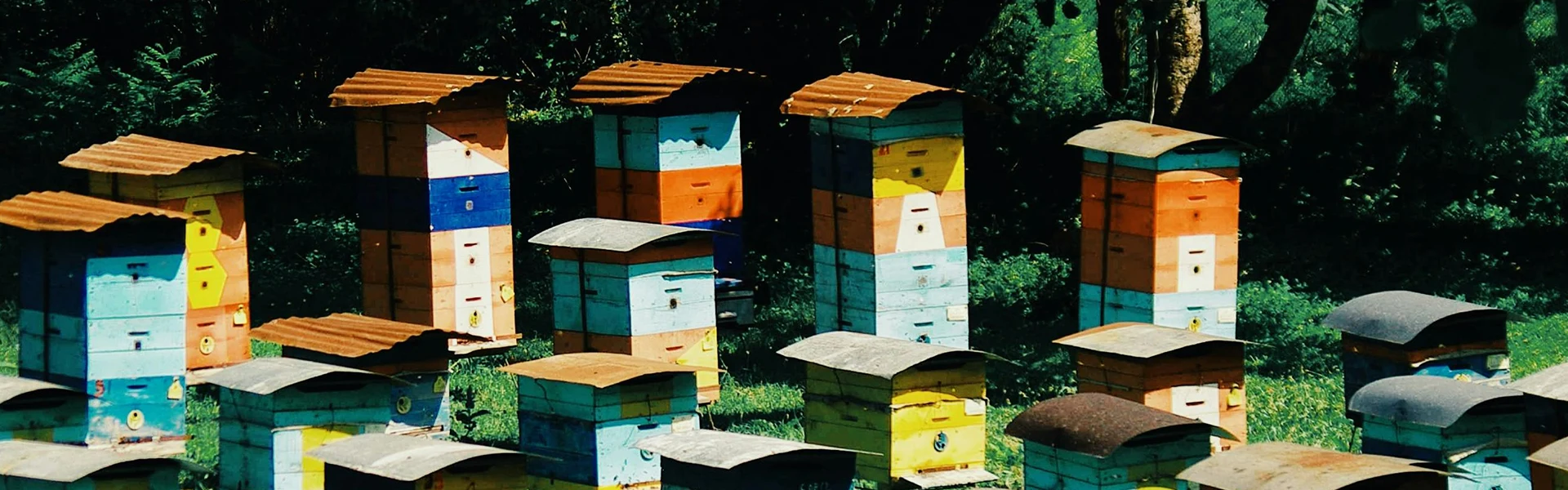

Why Every Beekeeper Needs a Plastic Queen Excluder for Their Beehive
2026-09-05
Why Every Beekeeper Needs a Plastic Queen Excluder for Their Beehive
As the world of beekeeping continues to evolve, beekeepers are constantly seeking ways to enhance their practices and ensure the well-being of their bee colonies. One of the most critical tools in a beekeeper's arsenal is the plastic queen excluder. This seemingly simple device plays a significant role in hive management, offering numerous advantages that promote healthy colonies and efficient honey production. In this article, we will explore why every beekeeper should consider incorporating a plastic queen excluder into their beekeeping practices.
The Importance of Hive Management
Effective hive management is essential for the success of any beekeeping operation. Beekeepers must ensure that their colonies remain healthy, productive, and resilient against environmental threats. A plastic queen excluder serves as a pivotal tool in achieving these goals, helping to maintain order within the hive and promoting optimal conditions for the queen bee and her workers.
Understanding the Queen Bee’s Role
The queen bee is the heart of any beehive. Her primary function is to lay eggs, ensuring the colony's growth and sustainability. In a typical hive, the queen will lay thousands of eggs each day, leading to a constant influx of new bees. However, without proper management, the queen may find herself overwhelmed by the sheer number of workers and drones in the hive, leading to a chaotic environment that can compromise the colony's health.
What is a Plastic Queen Excluder?
A plastic queen excluder is a device designed to allow worker bees to pass through while keeping the queen bee confined to specific areas of the hive. Typically made from durable plastic, these excluders feature a grid-like design with openings that are large enough for worker bees but too small for the queen. By restricting the queen's movements, beekeepers can effectively manage the hive's layout and optimize honey production.
Benefits of Using a Plastic Queen Excluder
1. Improved Hive Organization
One of the primary benefits of using a plastic queen excluder is improved hive organization. By controlling where the queen can lay eggs, beekeepers can designate specific areas for brood production and honey storage. This organization helps to prevent overcrowding and ensures that resources are used efficiently, leading to a more productive hive.
2. Enhanced Honey Production
With a queen excluder in place, beekeepers can more effectively separate the areas of the hive where honey is stored from those where brood is raised. This separation minimizes the risk of honey being contaminated with brood, resulting in a higher quality product. Additionally, when worker bees are free to focus on foraging and honey production without the chaos of brood management, overall honey yields can increase significantly.
3. Healthier Bee Colonies
A well-managed hive is a healthy hive. By employing a plastic queen excluder, beekeepers can reduce the stress on the queen and her workers. This stress reduction leads to healthier bees, which are more resilient to diseases and environmental factors. Additionally, a queen excluder can help prevent the development of swarming behavior, which often results from overcrowded conditions.
4. Pest and Disease Management
Proper hive management not only promotes bee health but also aids in pest and disease management. By controlling where the queen lays her eggs, beekeepers can better monitor the colony for signs of disease or infestation. This monitoring enables quicker responses to potential threats, reducing the risk of widespread issues within the hive.
Common Pests Affected by Queen Excluders
Some of the common pests that can be managed more effectively with the use of a queen excluder include:
- Varroa mites
- Small hive beetles
- Wax moths
Choosing the Right Plastic Queen Excluder
Types of Plastic Queen Excluders
When selecting a plastic queen excluder, beekeepers should consider various options available on the market. Different types of excluders offer unique features that can cater to specific needs.
1. Standard Plastic Queen Excluders
These excluders have a straightforward grid design and are typically the most affordable option. They are easy to install and remove, making them suitable for novice beekeepers.
2. Plastic Frames with Integrated Excluders
Some manufacturers offer plastic frames that come with integrated queen excluders. These frames eliminate the need for a separate excluder, simplifying hive assembly and maintenance.
3. Adjustable Excluders
Adjustable plastic queen excluders allow beekeepers to modify the size of the openings based on the specific needs of their colonies. This flexibility can be beneficial when managing different bee species or during various seasons.
Factors to Consider When Selecting an Excluder
When choosing a plastic queen excluder, beekeepers should take into account the following factors:
- Size and design compatibility with existing hive equipment
- Durability and material quality
- Ease of installation and maintenance
- Cost-effectiveness
Best Practices for Using Plastic Queen Excluders
Installation Tips
Installing a plastic queen excluder correctly is crucial for its effectiveness. Follow these steps for proper installation:
- Ensure the hive is in a quiet environment to reduce stress on the bees during installation.
- Remove the top super carefully to avoid disturbing the bees.
- Place the queen excluder on top of the brood box, ensuring that it fits snugly and creates a seal.
- Replace the super on top of the excluder, ensuring that it is aligned correctly.
Maintenance and Care
Regular maintenance of the plastic queen excluder is essential for optimal performance. Beekeepers should periodically check for any signs of damage or wear and clean the excluder to prevent debris buildup. This care will prolong the lifespan of the device and ensure it functions effectively.
Challenges and Considerations
Potential Drawbacks of Plastic Queen Excluders
While plastic queen excluders offer many benefits, there are also some challenges that beekeepers may encounter:
- Some bees may become trapped in the excluder, particularly if it is not installed correctly.
- Over time, plastic excluders can become brittle and may require replacement.
- In colder climates, the use of plastic excluders may contribute to temperature fluctuations within the hive.
Alternatives to Plastic Queen Excluders
Beekeepers who prefer not to use plastic queen excluders have other options to consider. Some alternatives include:
- Wooden queen excluders: While heavier and more expensive, wooden options can offer better insulation.
- Natural barriers: Some beekeepers use natural barriers, such as screens made from wire or mesh, to control queen movement.
Frequently Asked Questions (FAQs)
1. How does a plastic queen excluder work?
A plastic queen excluder works by allowing worker bees to pass through its grid openings while preventing the queen bee from passing. This control helps beekeepers manage brood and honey production effectively.
2. Can a queen excluder be used in all types of beehives?
Most plastic queen excluders are designed to fit standard beehive sizes, such as Langstroth hives. However, beekeepers should verify compatibility with their specific hive type before purchasing.
3. How often should I clean my queen excluder?
It’s advisable to clean your plastic queen excluder at least once a season or whenever you notice debris buildup. Regular cleaning helps prevent diseases and ensures optimal hive function.
4. What should I do if my bees are getting trapped in the queen excluder?
If bees are becoming trapped, check the installation of the excluder. Ensure it is flush with the hive components and free from debris or blockages. Adjustments may be necessary to alleviate the issue.
5. Is it necessary to use a queen excluder in every hive?
While not mandatory, using a queen excluder is recommended for beekeepers aiming for optimal honey production and hive management. It can significantly improve organization and efficiency within the hive.
Conclusion
In conclusion, a plastic queen excluder is an indispensable tool for beekeepers looking to enhance their hive management practices. By improving organization, increasing honey production, and promoting healthier bee colonies, these devices prove their worth time and time again. Choosing the right excluder and employing best practices can lead to a thriving apiary and successful beekeeping endeavors. As every beekeeper strives for excellence, incorporating a plastic queen excluder into their toolkit is a step toward a healthier and more productive hive.
Real-time Blog
Upcoming Exhibitions for 2026...
2026-01-30