


Exploring the Benefits of Korean Beehives for Sustainable Beekeeping
2026-09-02
Korean beehives, notably different from traditional Western hives, offer a fascinating alternative for beekeeping enthusiasts and professionals alike. These hives are designed with specific features that promote a healthier environment for bees, thereby improving honey production and the overall well-being of the colony. Understanding the unique characteristics and advantages of Korean beehives can help you make informed decisions about your beekeeping practices.
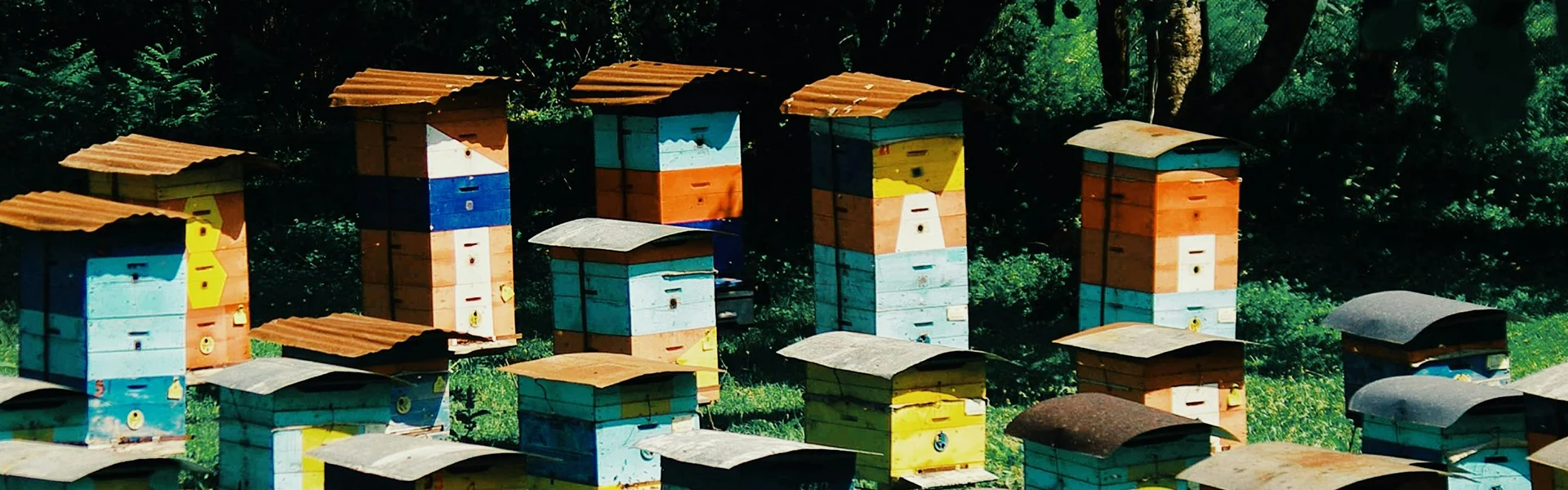
One of the primary benefits of Korean beehives is their design, which emphasizes natural behavior and colony health. The traditional Korean beehive often utilizes a vertical structure, promoting better ventilation and temperature regulation. This design helps mitigate the risk of diseases and pests that can plague bee colonies in more cramped conditions. By providing a more spacious and comfortable living environment, Korean beehives allow bees to thrive, ultimately leading to increased honey yields.
In addition to their structural advantages, Korean beehives also encourage biodiversity. Many beekeepers using this system report healthier colonies with stronger populations. The unique hive design often includes features that allow bees to exhibit their natural behaviors, such as foraging and nesting. This is crucial for the ecological balance, as bees play a vital role in pollination, which is essential for the growth of numerous crops and plants.
Moreover, using Korean beehives can enhance the quality of bee products. The natural approach to beekeeping fosters the production of pure, high-quality honey that can be marketed as an organic product. This not only meets the growing consumer demand for health-conscious products but also allows beekeepers to potentially tap into premium markets. The holistic method of beekeeping associated with Korean hives can lead to fewer additives and a more authentic product, which is increasingly valued by health-conscious consumers.
Incorporating Korean beehives into your beekeeping practice may also have long-term benefits for the environment. By supporting healthier bee populations, you contribute to the sustainability of local ecosystems. Healthy bee colonies are instrumental in pollinating crops and maintaining biodiversity, which is critical for agriculture and food security.
In conclusion, Korean beehives present a unique opportunity for both aspiring and seasoned beekeepers. Their innovative design promotes healthier bee colonies, enhances product quality, and supports ecological sustainability. By considering a shift to Korean beehives, you can not only improve your own beekeeping success but also contribute to the broader goal of preserving our vital bee populations. Embracing these methodologies may be a step towards a more sustainable future in beekeeping and the production of bee products.
One of the primary benefits of Korean beehives is their design, which emphasizes natural behavior and colony health. The traditional Korean beehive often utilizes a vertical structure, promoting better ventilation and temperature regulation. This design helps mitigate the risk of diseases and pests that can plague bee colonies in more cramped conditions. By providing a more spacious and comfortable living environment, Korean beehives allow bees to thrive, ultimately leading to increased honey yields.
In addition to their structural advantages, Korean beehives also encourage biodiversity. Many beekeepers using this system report healthier colonies with stronger populations. The unique hive design often includes features that allow bees to exhibit their natural behaviors, such as foraging and nesting. This is crucial for the ecological balance, as bees play a vital role in pollination, which is essential for the growth of numerous crops and plants.
Moreover, using Korean beehives can enhance the quality of bee products. The natural approach to beekeeping fosters the production of pure, high-quality honey that can be marketed as an organic product. This not only meets the growing consumer demand for health-conscious products but also allows beekeepers to potentially tap into premium markets. The holistic method of beekeeping associated with Korean hives can lead to fewer additives and a more authentic product, which is increasingly valued by health-conscious consumers.
Incorporating Korean beehives into your beekeeping practice may also have long-term benefits for the environment. By supporting healthier bee populations, you contribute to the sustainability of local ecosystems. Healthy bee colonies are instrumental in pollinating crops and maintaining biodiversity, which is critical for agriculture and food security.
In conclusion, Korean beehives present a unique opportunity for both aspiring and seasoned beekeepers. Their innovative design promotes healthier bee colonies, enhances product quality, and supports ecological sustainability. By considering a shift to Korean beehives, you can not only improve your own beekeeping success but also contribute to the broader goal of preserving our vital bee populations. Embracing these methodologies may be a step towards a more sustainable future in beekeeping and the production of bee products.
Real-time Blog
Upcoming Exhibitions for 2026...
2026-01-30