

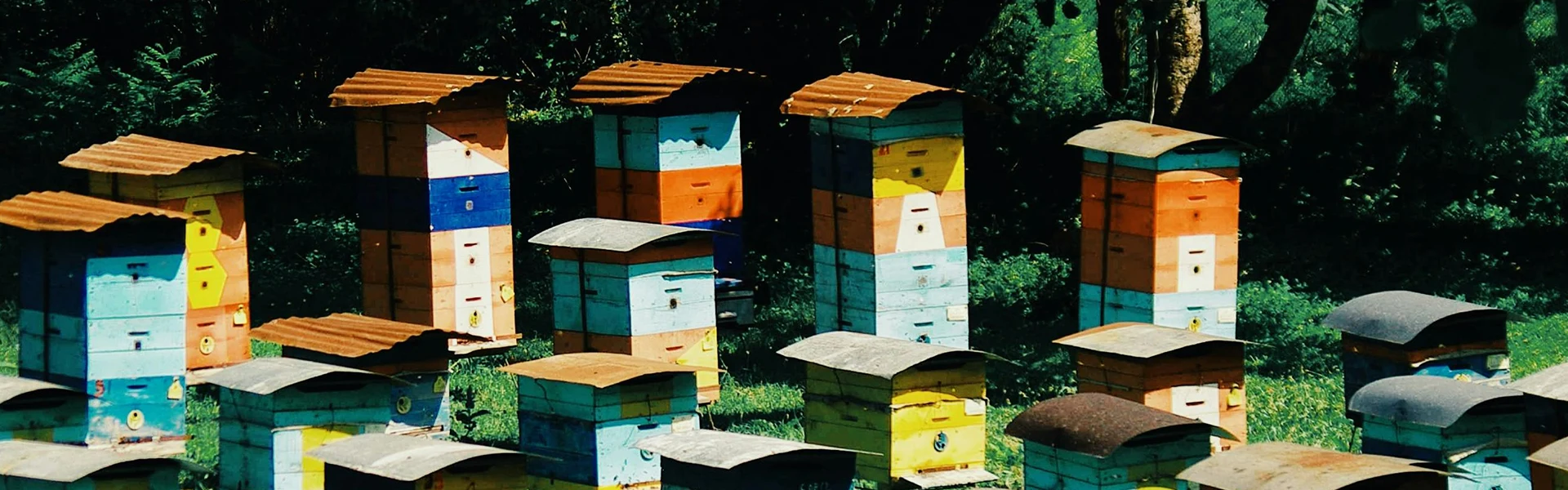

Discover the Benefits of Using a WBC Beehive for Your Beekeeping Journey
2026-09-23
Discover the Benefits of Using a WBC Beehive for Your Beekeeping Journey
Beekeeping, an ancient practice that has evolved over centuries, continues to captivate enthusiasts around the world. Among the various beehive designs available, the WBC beehive stands out for its unique features and benefits. This article delves into why the WBC beehive is an excellent choice for both amateur and professional beekeepers, as well as tips for optimizing your beekeeping experience.
Table of Contents
- Understanding WBC Beehives
- Design and Construction of WBC Beehives
- Benefits of WBC Beehives
- Enhancing Your Beekeeping Experience
- Optimal Management Tips for WBC Beehives
- Maintaining Bee Health in WBC Beehives
- Sustainable Beekeeping Practices
- Common Questions About WBC Beehives
- Conclusion
Understanding WBC Beehives
The WBC beehive, named after its creator, William Broughton Carr, in the late 19th century, is renowned for its elegant design and practical functionality. Its unique features include a double-walled construction, which provides excellent insulation for bees during various seasons. Unlike traditional wooden hives, the WBC beehive combines aesthetics with efficiency, making it a favorite among beekeepers who prioritize both form and function.
The Historical Significance of WBC Beehives
Originally designed with the goal of enhancing honey production and bee welfare, the WBC beehive has a rich history. Its advanced design has influenced modern beekeeping practices, proving that innovation can lead to greater productivity and healthier bee populations.
Design and Construction of WBC Beehives
Innovative Features of WBC Beehives
The WBC beehive's design includes several innovative features that distinguish it from other hive types:
- Double-Walled Construction: This design provides superior insulation, keeping bees warm during cold months and cool during the summer.
- Ease of Inspection: The hive’s unique structure allows beekeepers to inspect their colonies easily without disturbing the bees unduly.
- Ventilation Options: Proper ventilation is crucial for maintaining a healthy hive; WBC beehives come equipped with adjustable vents.
- Variety of Frames: The WBC hive typically utilizes national-sized frames, which are compatible with various beekeeping systems.
Assembly and Maintenance of WBC Beehives
Assembling a WBC beehive requires careful attention to detail. It is essential to follow the manufacturer's guidelines to ensure the hive functions effectively. Regular maintenance, including painting and sealing the exterior to protect against weather elements, is equally important. A well-maintained hive can last for many years, providing a sustainable home for your bees.
Benefits of WBC Beehives
Enhanced Honey Production
One of the primary benefits of using a WBC beehive is the potential for enhanced honey production. The double-walled design promotes a stable environment within the hive, allowing bees to thrive. Healthy bees are more productive, leading to higher honey yields.
Improved Bee Welfare
Bee welfare is paramount in beekeeping. The WBC beehive’s structure supports a healthy colony. With the right temperature and ventilation, bees are less susceptible to diseases and pests, resulting in a robust hive.
Attractiveness and Portability
Aesthetically pleasing, the WBC beehive can enhance the visual appeal of your garden or apiary. Additionally, it is relatively lightweight, making it easier for beekeepers to move and manage multiple hives effectively.
Enhancing Your Beekeeping Experience
Community and Knowledge Sharing
Joining a community of WBC beehive users can significantly enhance your beekeeping experience. Engaging with other beekeepers allows for knowledge sharing, problem-solving, and support. Various forums and social media platforms are dedicated to beekeeping, providing a wealth of resources.
Education and Workshops
Participating in beekeeping workshops can deepen your understanding of WBC beehives. These workshops often cover important topics such as hive management, pest control, and honey extraction techniques. Practical experience gained in these settings can be invaluable.
Optimal Management Tips for WBC Beehives
Regular Inspections
Conducting regular inspections is crucial for maintaining a healthy hive. Beekeepers should look for signs of disease, assess the queen's performance, and ensure that the bees have enough space to expand. Regular checks can prevent many common issues that may arise in beekeeping.
Feeding Your Bees
Providing supplemental feeding during periods of low nectar flow is essential. Using sugar syrup or specialized bee feeds can help maintain colony strength. Be mindful of the feeding method, as it should not disrupt normal bee behavior.
Monitoring for Pests and Diseases
Vigilantly monitoring for pests such as varroa mites and diseases like American foulbrood is critical. Implementing integrated pest management strategies can help control infestations and keep your bees healthy.
Maintaining Bee Health in WBC Beehives
Creating a Healthy Hive Environment
To foster a thriving bee colony, creating a conducive environment is essential. This includes ensuring proper ventilation, maintaining optimal humidity levels, and providing plenty of foraging opportunities. Planting diverse flowers nearby can help attract bees and support their foraging needs.
Using Natural Remedies for Diseases
Utilizing natural remedies for treating bee diseases can be an effective approach. Essential oils, propolis, and other natural substances can support bee health without introducing harmful chemicals. This approach aligns with sustainable beekeeping principles and can lead to healthier colonies.
Sustainable Beekeeping Practices
Emphasizing Biodiversity
Engaging in sustainable beekeeping practices emphasizes the importance of biodiversity. Planting a variety of flowering plants and supporting local ecosystems can enhance bee health and productivity. This approach not only benefits your beehive but also contributes positively to the environment.
Responsible Honey Harvesting
Harvesting honey should be done responsibly to ensure that enough honey is left for the bees. Taking only surplus honey and leaving enough for the colony to survive during winter is crucial for sustaining bee populations.
Common Questions About WBC Beehives
What is the lifespan of a WBC beehive?
The lifespan of a well-maintained WBC beehive can exceed 10 years, depending on environmental factors and maintenance practices.
How many frames does a WBC beehive accommodate?
A standard WBC beehive typically accommodates 10 frames, which allows for ample space for bees to build comb and store honey.
Can I use a WBC beehive for other bee species?
While WBC beehives are primarily designed for honeybees, they can be adapted for other species with some modifications.
How do I know if my bees are healthy?
Regular inspections, observing bee behavior, and checking for signs of disease or pests are essential to ensuring your bees are healthy.
What should I do if my WBC beehive gets damaged?
Repairing any damage promptly is crucial. If the hive structure is compromised, consider replacing damaged parts to maintain bee safety and productivity.
Conclusion
In summary, the WBC beehive presents numerous advantages for beekeepers, including enhanced honey production, improved bee welfare, and a visually appealing design. By understanding the unique features of WBC beehives and implementing best management practices, you can create a thriving environment for your bees. Embrace the journey of beekeeping and enjoy the rewards that come with nurturing these vital pollinators. With dedication and care, your beekeeping experience can flourish, making it a fulfilling endeavor for years to come.
Real-time Blog
Upcoming Exhibitions for 2026...
2026-01-30
How to Spend 15 Minutes at Booth #7434
2026-10-26
Five Ingredients, Five Numbers
2026-10-23