

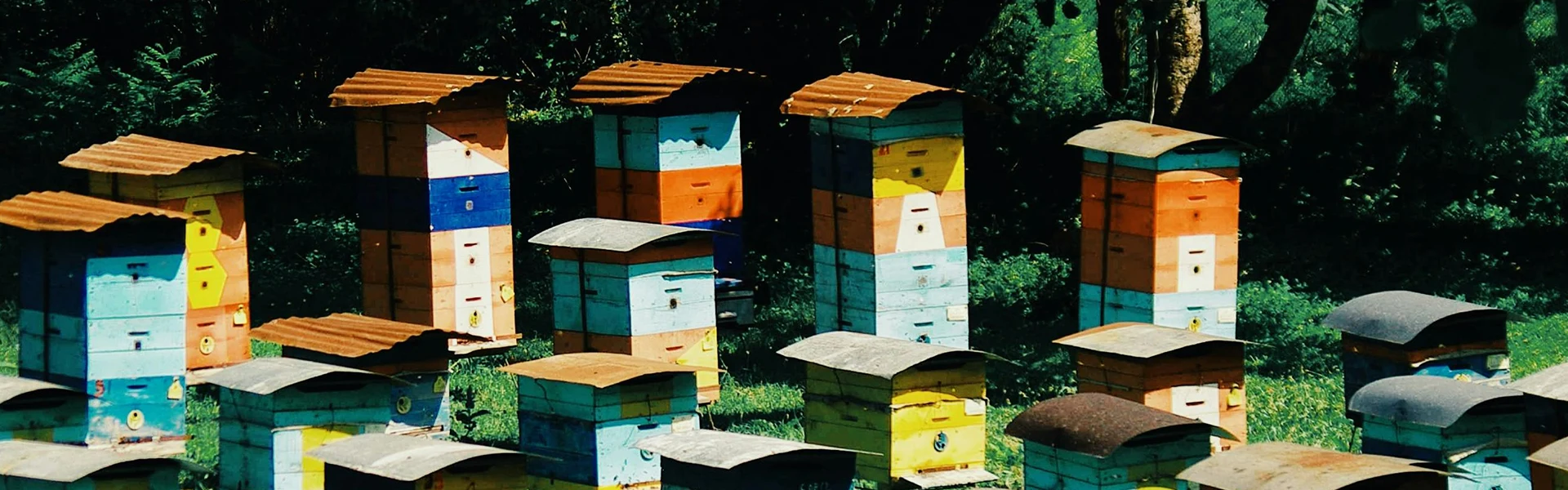

Why a National Beehive is Essential for Sustainable Beekeeping
2026-11-12
Why a National Beehive is Essential for Sustainable Beekeeping
Introduction to Sustainable Beekeeping
Sustainable beekeeping is essential for ensuring the health of both bees and the broader ecosystem. With the alarming decline in bee populations globally, it has become increasingly clear that a national approach to beekeeping can facilitate recovery and resilience among these vital pollinators. In this article, we will explore the significance of establishing a national beehive system, its multifaceted benefits, and the best practices that can be adopted for sustainable management.
Understanding the Importance of Bees in Our Ecosystem
Bees serve as critical pollinators for many crops and wild plants. Their role in food production cannot be overstated; approximately one-third of the food we consume relies on pollination, with bees responsible for the majority of this process. Without bees, the agricultural landscape would shift dramatically, leading to food shortages and reduced biodiversity.
The Decline of Bee Populations: An Urgent Issue
In recent years, we have witnessed alarming declines in bee populations due to various factors: habitat loss, pesticide use, climate change, and disease. These issues underline the necessity of adopting sustainable beekeeping practices that not only protect bee health but also enhance their habitats. A national beehive initiative can address these challenges more effectively by implementing widespread policy changes and educational programs.
What is a National Beehive Initiative?
A national beehive initiative refers to a structured program or system designed to promote responsible beekeeping practices at a national level. This may include establishing guidelines for hive management, supporting research initiatives, and providing education and resources to beekeepers.
Key Components of a National Beehive Initiative
To be effective, a national beehive initiative should encompass several key components:
- **Education and Training**: Offering workshops and resources to beekeepers on sustainable practices.
- **Research and Development**: Funding studies aimed at understanding bee behavior, nutrition, and health.
- **Standardization**: Creating guidelines for hive management to ensure the health of bee colonies.
- **Community Engagement**: Encouraging local participation in beekeeping and promoting awareness about the importance of bees.
The Environmental Benefits of a National Beehive
Implementing a national beehive initiative can significantly benefit the environment.
Enhancing Biodiversity
Bees are vital for pollinating a variety of plants, including many that are crucial for local wildlife. A structured beekeeping system can help maintain and enhance plant diversity, which in turn supports entire ecosystems.
Improving Crop Yields
Sustainable beekeeping practices can lead to improved crop yields. When bees are healthy and well-managed, they can effectively pollinate crops, leading to better quality produce. This not only benefits farmers economically but also ensures that consumers have access to fresh, nutritious food.
Economic Implications for Farmers
Farmers who invest in sustainable beekeeping can see a return on their investment through increased crop yields and better market prices. By promoting a national beehive initiative, farmers can benefit from collective resources, sharing knowledge, and reducing costs related to hive management.
Health Benefits of Honey and Bee Products
A national beehive initiative can improve access to high-quality bee products, which are not only delicious but also offer numerous health benefits.
The Nutritional Value of Honey
Honey is a natural sweetener that boasts a variety of health benefits, including antioxidants and antibacterial properties. By ensuring the sustainability of honey production, a national initiative can promote healthier dietary options for consumers.
Bee Products Beyond Honey
In addition to honey, bees produce other valuable products such as beeswax, propolis, and royal jelly. These products have various applications in food, cosmetics, and natural medicine. A national beehive initiative can help ensure a consistent and sustainable supply of these products.
Best Practices for Sustainable Beekeeping
For a national beehive initiative to succeed, it is essential to adopt best practices in sustainable beekeeping.
Integrated Pest Management (IPM)
Utilizing IPM strategies can help reduce the reliance on chemical pesticides, thus protecting bee health and the environment. IPM involves monitoring pest populations and using biological control methods to manage them.
Encouraging Organic Practices
Promoting organic farming methods in conjunction with sustainable beekeeping can lead to healthier bees and ecosystems. Organic practices reduce chemical exposure, promoting a healthier environment for both bees and other wildlife.
Community Engagement and Education
Community involvement is crucial for the success of any national beehive initiative.
Local Beekeeping Associations
Encouraging the formation of local beekeeping associations can foster community spirit, allowing beekeepers to share resources, knowledge, and experiences. These associations can also serve as advocates for sustainable practices in their regions.
Educational Programs in Schools
Integrating beekeeping education into school curricula can raise awareness about the importance of bees among younger generations. By fostering an appreciation for these pollinators, future stewards of the environment can emerge.
Challenges Faced by National Beehive Initiatives
While the benefits of a national beehive initiative are evident, several challenges must be addressed.
Funding and Resources
Securing adequate funding for initiatives can be a significant challenge. Government support, grants, and public-private partnerships can help provide the necessary resources.
Resistance to Change
Convincing established beekeepers and farmers to adopt new practices can be met with resistance. Education and demonstration of the long-term benefits of sustainability are crucial to overcoming this hurdle.
Success Stories: Countries Leading the Way in Sustainable Beekeeping
Several countries have successfully implemented national beehive initiatives, setting examples for others to follow.
Germany's Bee Protection Strategy
Germany has implemented a comprehensive bee protection strategy that includes research funding, education programs, and regulations to protect pollinator habitats. This initiative has led to the recovery of bee populations in several regions.
New Zealand's Beekeeping Best Practices
New Zealand has gained recognition for its sustainable honey production practices, emphasizing high-quality honey and bee health. Their national beekeeping regulations ensure the protection of bee habitats and promote best management practices.
Future Directions for Sustainable Beekeeping
Looking ahead, the potential for national beehive initiatives is immense.
Technology and Innovation in Beekeeping
Advancements in technology, such as hive monitoring systems, can enhance beekeeping practices by providing real-time data on hive health. This can lead to more informed management decisions and better outcomes for bee populations.
Global Collaboration for Bee Health
International collaboration can help share knowledge and resources, allowing countries to learn from each other's successes and challenges in beekeeping.
Conclusion
Establishing a national beehive initiative is essential for promoting sustainable beekeeping practices that benefit our environment, economy, and health. By taking a comprehensive approach that includes education, research, and community engagement, we can ensure the health of bee populations and, by extension, the health of our ecosystems. Investing in sustainable beekeeping today will yield benefits for generations to come, securing a future where bees thrive and continue to play their invaluable role in our world.
Frequently Asked Questions (FAQs)
What is sustainable beekeeping?
Sustainable beekeeping involves practices that prioritize the health and well-being of bee populations while ensuring productive and ethical honey and bee product production.
Why are bees crucial for our food supply?
Bees are essential pollinators for many crops and wild plants, contributing to approximately one-third of the food we consume. Their role is vital for maintaining biodiversity and food security.
How can I contribute to bee conservation efforts?
You can support bee conservation by planting bee-friendly flowers, reducing pesticide use, and advocating for sustainable beekeeping practices in your community.
What are the health benefits of honey?
Honey is rich in antioxidants and has antibacterial properties, making it a healthy alternative to processed sugars. It can also soothe sore throats and has various medicinal properties.
How can I find local beekeeping associations?
Local beekeeping associations can often be found through agricultural extension offices, local universities, or beekeeping supply stores. Many associations also maintain websites with resources for beekeepers.
Previous Page:
Real-time Blog
Upcoming Exhibitions for 2026...
2026-01-30
How to Spend 15 Minutes at Booth #7434
2026-10-26
Five Ingredients, Five Numbers
2026-10-23