

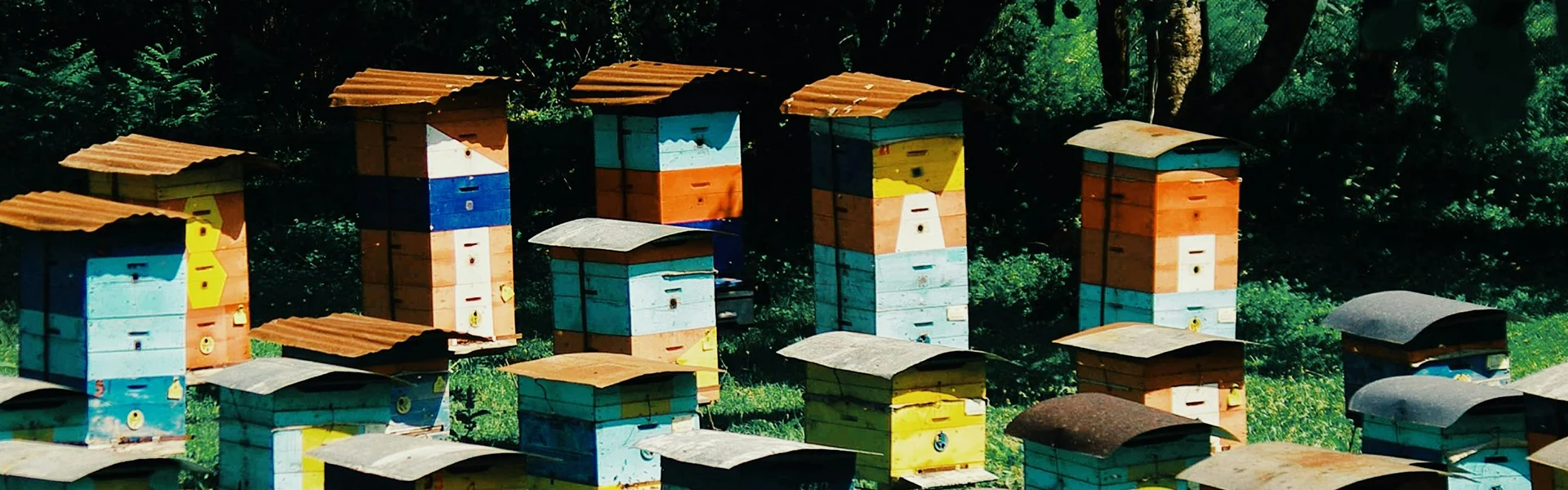

Propolis: Nature's Powerful Ally for Fighting Inflammation and Cancer
2025-12-01
For centuries, beekeepers marveled at a mysterious, resinous substance bees used to seal their hives. Ancient civilizations, including the Greeks, recognized its healing properties. Aristotle himself, in 300 BC, documented this "black wax" as a remedy for skin infections and wounds.
Today, we know this substance as propolis, and modern science is confirming what traditional medicine long held true: propolis is a powerhouse of bioactivity with significant anti-inflammatory and anti-tumor properties.
What is Propolis?
Propolis is a complex natural resin collected by bees from tree buds and mixed with their own enzymes and beeswax. They use it as a disinfectant to seal and sterilize their hive, protecting it from microbes and pathogens. This "bee glue" is a rich cocktail of over 300 compounds, primarily flavonoids and phenolic acids, which are responsible for its remarkable health benefits.
The Anti-Inflammatory Power of Propolis
Inflammation is your body's natural defense mechanism against injury and infection. However, when it becomes chronic, it can lead to various diseases. Research shows that propolis is exceptionally effective at modulating this inflammatory response. Its activity depends on how it's extracted, with two main types showing potent effects:
- Propolis Ethanol Extract (EEP): Rich in fat-soluble flavonoids, EEP is a powerful anti-inflammatory. Studies show it can significantly reduce arthritis symptoms and activate immune cells like macrophages to bolster your body's defenses.
- Propolis Water Extract (WEP): While different in composition, WEP is just as effective. It contains water-soluble phenolic acids that can inhibit chronic inflammation and cell migration without interfering with the crucial tissue repair process, making it ideal for wound healing.
Key Anti-Inflammatory Compounds in Propolis:
- Flavonoids: Quercetin, Chrysin, Galangin, Kaempferol
- Phenolic Acids: Caffeic acid, Ferulic acid, Cinnamic acid
- Potent Derivatives: Caffeic Acid Phenethyl Ester (CAPE), Artepillin C
Propolis as a Potential Anti-Cancer Agent
Beyond its infection-fighting and anti-inflammatory roles, propolis has emerged as a promising subject in cancer research. Numerous laboratory and animal studies have demonstrated its ability to fight tumor cells.Its anti-cancer action is two-fold: it directly attacks cancer cells and boosts your immune system's ability to do the same.
Here’s a look at some of its most powerful anti-tumor compounds and how they work:
- Chrysin: This flavonoid has been shown to effectively halt the cell cycle, particularly in leukemia cells, preventing them from multiplying.
- Quercetin: A well-studied flavonoid, Quercetin can induce apoptosis (programmed cell death) in cancer cells. It's been shown to be effective against prostate, breast, lung, and nasopharyngeal cancers.
- Galangin: Known for its strong antioxidant properties, Galangin protects cells from free radical damage and has been found to inhibit the proliferation of human leukemia cells.
- Diterpenes: Studies on Greek propolis have identified diterpene compounds, like Manool, that show strong cytotoxic activity against colon cancer cells while sparing healthy cells. Manool works by arresting the cancer cell cycle at a critical checkpoint (G2/M phase).
- Caffeic Acid Phenethyl Ester (CAPE): This compound is one of propolis's most significant growth inhibitors. Crucially, cancer cells appear to be far more sensitive to CAPE than normal, healthy cells.
- Artepillin C: A signature component of Brazilian green propolis, Artepillin C has a unique ability to sensitize resistant cancer cells, like those in prostate cancer, to the body's own immune-based tumor-killing signals.
A Timeless Natural Remedy
From ancient wound dressings to modern cancer research, propolis continues to prove its value as a formidable natural remedy. Its complex blend of flavonoids, phenolic acids, and other unique compounds gives it a multifaceted ability to fight inflammation, combat infections, and show genuine promise in the fight against cancer.
Whether you're looking for natural immune support or are intrigued by its potential therapeutic benefits, propolis stands out as one of nature's most powerful and versatile substances.
Disclaimer: This article is for informational purposes only and is not intended as medical advice. The anti-tumor properties discussed are based on preclinical research (lab and animal studies), and propolis should not be used as a treatment for cancer. Always consult with a healthcare professional before starting any new supplement regimen.
Previous Page:
Next Page:
Real-time Blog
A Sweet Christmas from Melifera
2025-12-25
Propolis in Wound and Burn Healing
2025-12-22
This Thanksgiving, Give Thanks to the Bees
2025-11-27
Propolis and Its Antioxidant Properties
2025-11-24
2025-11-10