

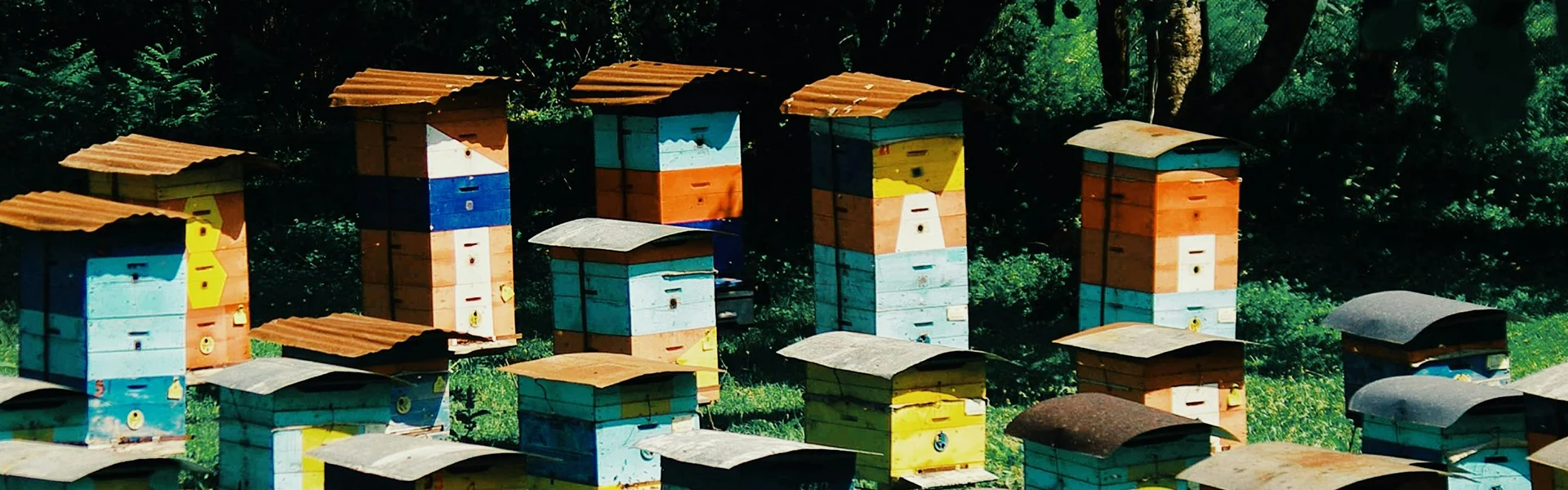

Exploring the Advantages of Top Bar Beehives for Beekeeping Enthusiasts
2026-09-14
Top bar beehives represent an innovative approach to beekeeping that emphasizes simplicity and sustainability. Unlike traditional hives, which often use a frame-based system, top bar beehives operate on a horizontal design where bees build their comb directly on top of the bars. This natural method not only aligns more closely with bees’ instinctual behaviors but also provides several advantages for beekeepers seeking a more hands-on and eco-friendly way to manage their colonies.
One of the primary benefits of top bar beehives is their ease of use. Beekeepers can easily access the hive by lifting the bars, allowing for straightforward inspections and honey harvesting without disrupting the bees excessively. This design is particularly beneficial for those new to beekeeping, as it simplifies maintenance and reduces the risk of harming the bees during routine checks. Moreover, the horizontal layout makes it simpler to observe bee behavior, fostering a better understanding of hive dynamics.
The natural comb-building process encouraged by top bar beehives also plays a crucial role in bee health. In traditional hives, bees are often forced to build comb in a specific size and shape, which may not align with their natural instincts. In contrast, top bar hives allow bees to create comb in a way that suits their needs, promoting a more healthy and resilient colony. This is especially important given the current challenges faced by bee populations, including disease and environmental stressors.
Sustainability is another critical aspect of top bar beekeeping. These hives can be constructed using local materials, reducing the carbon footprint associated with manufacturing traditional hives. Additionally, top bar beehives often promote organic practices, as they reduce the need for chemical treatments commonly used in commercial beekeeping. By adopting a top bar system, beekeepers can contribute to environmental preservation while enjoying the rewarding experience of maintaining their own bee colonies.
When it comes to honey production, top bar beehives can also yield high-quality honey. The natural comb structure allows for a slower, more artisanal approach to honey harvesting, which can enhance the flavor and texture of the final product. Beekeepers often report that honey from top bar hives has a unique taste profile, appealing to those who appreciate gourmet food products.
In conclusion, top bar beehives offer an engaging and sustainable solution for beekeepers of all levels. With their focus on natural bee behavior, ease of maintenance, and positive impact on bee health, these hives have become increasingly popular in the beekeeping community. Whether you are a seasoned apiarist or a beginner looking to explore the world of bees, considering a top bar beehive could be a rewarding choice.
One of the primary benefits of top bar beehives is their ease of use. Beekeepers can easily access the hive by lifting the bars, allowing for straightforward inspections and honey harvesting without disrupting the bees excessively. This design is particularly beneficial for those new to beekeeping, as it simplifies maintenance and reduces the risk of harming the bees during routine checks. Moreover, the horizontal layout makes it simpler to observe bee behavior, fostering a better understanding of hive dynamics.
The natural comb-building process encouraged by top bar beehives also plays a crucial role in bee health. In traditional hives, bees are often forced to build comb in a specific size and shape, which may not align with their natural instincts. In contrast, top bar hives allow bees to create comb in a way that suits their needs, promoting a more healthy and resilient colony. This is especially important given the current challenges faced by bee populations, including disease and environmental stressors.
Sustainability is another critical aspect of top bar beekeeping. These hives can be constructed using local materials, reducing the carbon footprint associated with manufacturing traditional hives. Additionally, top bar beehives often promote organic practices, as they reduce the need for chemical treatments commonly used in commercial beekeeping. By adopting a top bar system, beekeepers can contribute to environmental preservation while enjoying the rewarding experience of maintaining their own bee colonies.
When it comes to honey production, top bar beehives can also yield high-quality honey. The natural comb structure allows for a slower, more artisanal approach to honey harvesting, which can enhance the flavor and texture of the final product. Beekeepers often report that honey from top bar hives has a unique taste profile, appealing to those who appreciate gourmet food products.
In conclusion, top bar beehives offer an engaging and sustainable solution for beekeepers of all levels. With their focus on natural bee behavior, ease of maintenance, and positive impact on bee health, these hives have become increasingly popular in the beekeeping community. Whether you are a seasoned apiarist or a beginner looking to explore the world of bees, considering a top bar beehive could be a rewarding choice.
Previous Page:
Real-time Blog
Upcoming Exhibitions for 2026...
2026-01-30
2026-09-02